
 Pro
ProGermany is one of the best countries in Europe for skilled workers who want to build a successful career abroad. The country has a strong economy, modern infrastructure, and many international companies that need qualified professionals.
In recent years, Germany has faced a shortage of skilled workers in several industries. Because of this shortage, the German government introduced policies to attract foreign professionals.
The German Skilled Worker Visa allows qualified foreigners to live and work in Germany legally. Many companies also offer visa sponsorship, which helps international workers move to Germany more easily.
This complete guide explains everything you need to know about how to apply for the Skilled Worker Visa in Germany and get sponsored, including requirements, job opportunities, application steps, and tips for success.
What Is the Germany Skilled Worker Visa?
The Germany Skilled Worker Visa is a type of work visa that allows qualified professionals from non-EU countries to work in Germany.
This visa is designed for workers who have:
- Professional qualifications
- University degrees
- Work experience in specialized fields
With this visa, foreign professionals can work legally in Germany and may eventually apply for permanent residency.
Germany introduced the Skilled Immigration Act to attract global talent and solve labor shortages in important sectors.
Why Germany Needs Skilled Foreign Workers
Germany is one of the largest economies in the world. However, the country faces a shortage of workers in several industries.
There are several reasons why Germany is actively recruiting foreign workers.
Aging Population
Germany has an aging population. Many workers are retiring, and there are not enough young workers to replace them.
This creates thousands of job openings every year.
Growing Industries
Germany continues to grow in industries such as:
- Technology
- Engineering
- Healthcare
- Manufacturing
- Logistics
These sectors need skilled professionals to maintain economic growth.
Labor Shortage
Many companies struggle to find qualified workers within Germany and the European Union. Because of this, employers are hiring international professionals.
As a result, jobs in Germany for foreigners with visa sponsorship are increasing every year.
Benefits of Working in Germany
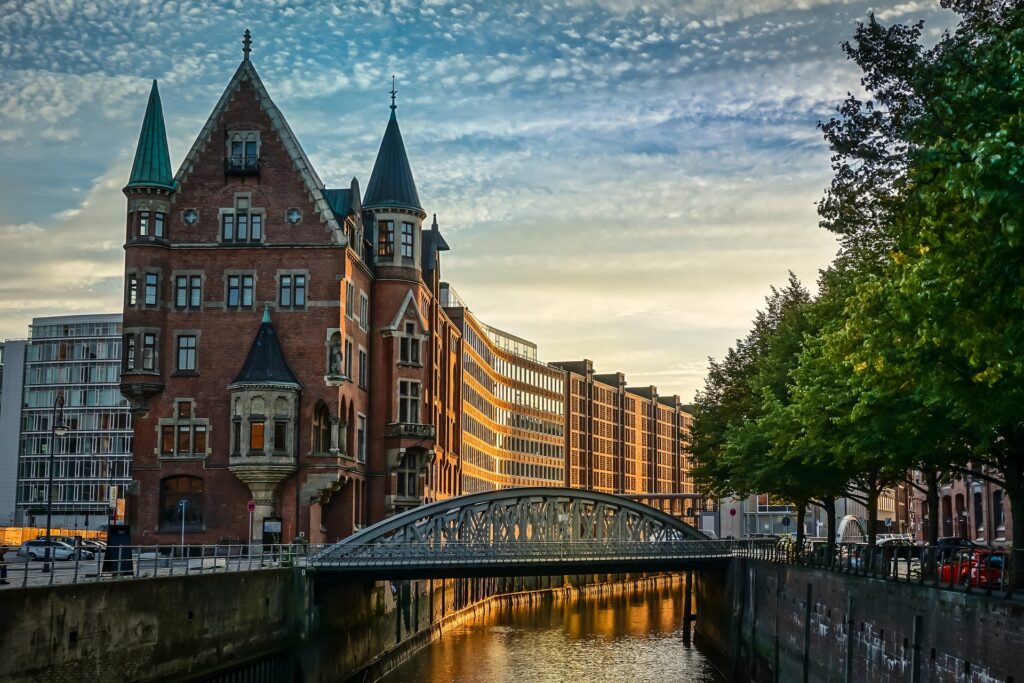
Germany offers many advantages for skilled foreign workers.
High Salaries
Germany has competitive salaries compared to many countries in Europe.
Average salary ranges:
- IT professionals: €55,000 – €90,000 per year
- Engineers: €60,000 – €85,000 per year
- Healthcare workers: €45,000 – €75,000 per year
Strong Economy
Germany has one of the most stable economies in the world, offering reliable job opportunities.
Work-Life Balance
Most workers in Germany work about 40 hours per week and enjoy generous vacation time.
Access to Healthcare
Employees in Germany benefit from a high-quality healthcare system.
Pathway to Permanent Residency
Foreign workers can apply for permanent residency after several years of working in Germany.
Industries With High Demand for Skilled Workers in Germany
Several industries in Germany actively hire foreign professionals.
Below are the sectors with the highest demand.
Information Technology (IT)
Germany’s technology sector is growing rapidly, creating a strong demand for IT professionals.
Common IT jobs include:
- Software developers
- Cybersecurity specialists
- Data scientists
- Cloud engineers
- IT consultants
Average salary:
€60,000 – €90,000 per year
Many tech companies sponsor visas for international workers.
Engineering
Germany is famous for engineering excellence. Many companies require skilled engineers.
Popular engineering jobs include:
- Mechanical engineers
- Automotive engineers
- Electrical engineers
- Industrial engineers
- Civil engineers
Average salary:
€55,000 – €85,000 per year
Healthcare Jobs
Healthcare professionals are also in high demand due to Germany’s aging population.
Common jobs include:
- Doctors
- Nurses
- Medical technicians
- Caregivers
Average salary:
- Nurses: €35,000 – €50,000
- Doctors: €70,000 – €150,000
Skilled Trades
Germany also needs skilled trade workers.
Examples include:
- Electricians
- Plumbers
- Welders
- Mechanics
- Construction workers
These jobs are important for infrastructure and manufacturing.
Logistics and Transportation
Germany is a major transportation hub in Europe.
Jobs include:
- Truck drivers
- Warehouse supervisors
- Logistics managers
- Supply chain specialists
Requirements for the Germany Skilled Worker Visa
To apply for the Skilled Worker Visa in Germany, applicants must meet certain requirements.
Recognized Qualification
Your education or professional qualification must be recognized in Germany.
This may include:
- University degree
- Vocational training certificate
You may need to apply for qualification recognition before applying for the visa.
Job Offer From a German Employer
In most cases, you must have a job offer from a German company before applying for the visa.
The employer may help you with visa sponsorship.
Relevant Work Experience
Many employers require at least 1–3 years of work experience in your field.
Proof of Financial Stability
You must show that you can support yourself financially during the early stages of your stay in Germany.
Health Insurance
Health insurance coverage is required for all workers in Germany.
Basic German Language Skills
Some jobs require knowledge of the German language.
However, many IT jobs allow workers to speak English.
Step-by-Step Guide to Apply for the Skilled Worker Visa in Germany
Applying for the German Skilled Worker Visa involves several steps.
Step 1: Check Your Qualification Recognition
Before applying, confirm that your education or vocational training is recognized in Germany.
You can check recognition through official German qualification recognition portals.
If your qualification is not recognized, you may need additional training.
Step 2: Search for Jobs in Germany
The next step is to find a job in Germany.
You can search for jobs using online job portals.
Popular job websites include:
- LinkedIn Jobs
- Indeed Germany
- StepStone
- Glassdoor
- Make-it-in-Germany job portal
Search for terms like:
- Skilled worker jobs in Germany
- Visa sponsorship jobs Germany
- Work visa jobs Germany
Step 3: Apply for Jobs
Prepare a professional resume that follows the German CV format.
Important tips:
- Include professional experience
- Highlight technical skills
- Keep the CV clear and structured
- Include a cover letter
Submit applications to multiple companies.
Step 4: Attend Job Interviews
If a company is interested in your application, they may invite you for an interview.
Most interviews for international applicants are conducted online.
Prepare by learning about the company and practicing common interview questions.
Step 5: Receive Job Offer
If the employer selects you, they will provide a job contract.
This contract is required for your visa application.
Some companies also assist with visa documentation.
Step 6: Apply for the Skilled Worker Visa
Once you receive the job offer, you can apply for the visa at the German embassy or consulate in your country.
Documents usually required include:
- Valid passport
- Job contract
- Qualification certificates
- Resume or CV
- Proof of health insurance
- Visa application form
Visa processing time can take 4 to 12 weeks.
Germany Job Seeker Visa (Alternative Option)
If you do not have a job offer yet, Germany also offers a Job Seeker Visa.
This visa allows foreign professionals to enter Germany and search for jobs.
Key features:
- Valid for up to 6 months
- Allows you to attend interviews
- Once you get a job, you can convert it to a work visa
This option is popular among international professionals.
How to Get Visa Sponsorship From German Employers
Many German companies sponsor foreign workers if they cannot find local employees.
Here are some tips to improve your chances.
Apply to Companies Facing Skill Shortages
Industries such as IT, healthcare, and engineering often sponsor foreign workers.
Improve Your Skills
Employers prefer candidates with strong technical skills and professional experience.
Learn Basic German
Even basic German language skills can increase your chances of getting hired.
Use Professional Networks
Platforms like LinkedIn help you connect with recruiters and employers.
Salary Expectations for Skilled Workers in Germany
Salary levels depend on industry, experience, and location.
Average salary examples:
| Profession | Average Salary |
|---|---|
| Software Developer | €65,000 |
| Mechanical Engineer | €70,000 |
| Nurse | €40,000 |
| Electrician | €45,000 |
| Data Scientist | €80,000 |
Large cities like Berlin, Munich, and Frankfurt usually offer higher salaries.
Challenges Foreign Workers May Face
Although Germany offers great opportunities, there may be challenges.
Language Barrier
Some workplaces require German language skills.
Qualification Recognition
Some foreign qualifications must be officially recognized before working.
Visa Processing Time
Visa applications may take several weeks or months.
Despite these challenges, thousands of foreign professionals successfully move to Germany each year.
Tips for a Successful Germany Skilled Worker Visa Application
Here are some tips to improve your chances.
- Prepare a professional European-style CV
- Apply to many companies
- Focus on industries with labor shortages
- Improve your German language skills
- Gain work experience in your field
- Research visa requirements carefully
You can also check out Visa Sponsorship Jobs in Australia for Foreign Workers in 2026 (Complete Guide)
Final TIPS…
Germany is one of the best destinations in Europe for skilled professionals seeking international career opportunities.
With strong demand in industries such as IT, healthcare, engineering, and skilled trades, many employers are willing to sponsor foreign workers.
By obtaining the Germany Skilled Worker Visa, international professionals can live and work legally in Germany while enjoying competitive salaries, strong worker protections, and a high quality of life.
With proper preparation, qualifications, and persistence, you can successfully apply for a skilled worker visa in Germany and start your career in one of Europe’s strongest economies.


 Pro
Pro